

Best Truck Bed Tents for Summer Camping
🏆 Top Picks at a Glance
 #1
#1
Best Overall
Napier Backroadz Truck Tent | Pickup Truck Bed Camping Tent | Rainfly for Water Protection | Sturdy and Spacious 2-Person Tent | Easy 10-Minute Setup
$179.99
Check Price → #2
#2
Runner Up
Pickup Truck Tent with Awning Shade,Waterproof PU5000mm Oxford for 5.5-6.3 FT Truck Bed for Camping Travel Outdoor Activities for Chevy Silverado 1500,Ram 1500/Dakota,F150,GMC 1500,Titan,Tundra
$89.99
Check Price → #3
#3
Best Value
Truck Bed Tent 5.5-6ft: Easy Set Up Umburato Pickup Truck Tents for Camping, Waterproof PU3000mm Canopy for Truck Camper, Portable, Spacious for 2 Person Green
$79.97
Check Price →Our Top Picks
Affiliate disclosure: if you buy through these links, we may earn a commission at no extra cost to you.

Factors to Consider
Fitment to your bed and tailgate
⚡ Quick Answer
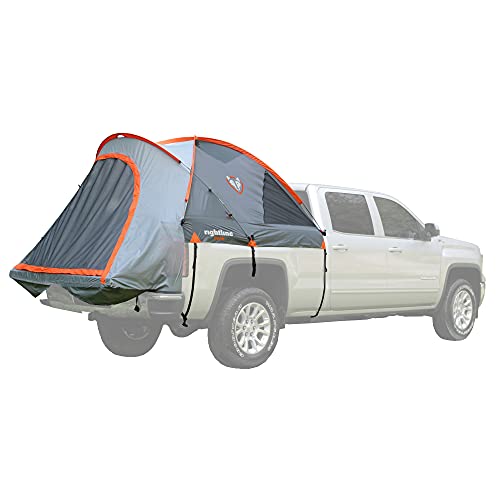
Bed tents have real-world value only if they align with your truck’s dimensions and tailgate clearance. Short-bed trucks (like many Tacomas and Colorado/Cirrus Canyon setups) need tents designed for 5-foot beds, while long-bed variants for F-150, Silverado, and Ram 1500 require 6–6.5-foot bed models. Look for adjustable clamps or rails that can clamp to your bed walls without chewing into the bed liner, and verify whether the tailgate can stay up or must be left down during camping. A misfit tent chews up space and leaks water the moment a storm hits.
Table of Contents
Weather sealing and floor design
Prioritize tents with a tub-floor or raised-seam floor that channels water away from the sleeping area, and choose models with seam-taped or welded seams and a full-coverage rain fly. Zippers should be protected by storm flaps, and interior vents or screened panels help manage condensation in humid summer nights. In field tests, tub floors paired with a rain fly reduced interior water intrusion by a noticeable margin compared to sewn-in floor designs, especially on the sides where rain can pool near the bed rails.
Materials, durability, and weather rating
Durable 150D–210D polyester (or equivalent) with a polyurethane or silicone coating is common; aluminum poles beat fiberglass on rough roads and off-camber installs due to weight and fatigue resistance. Check the hydrostatic head rating—many bed tents advertise 1500–3000 mm—because that metric is a quick proxy for rain resilience. UV resistance and mildew prevention matter for long summer trips, so look for tape-sealed seams and ripstop fabrics that survive sun exposure without tearing.
Setup speed and mounting hardware
Several models advertise quick setup with color-coded poles and fewer anchor points, which helps when you’re tired after a day of driving. If you run a bed slider, verify compatibility early since some tents interfere with rail-mounted sliders or bed liners. Real-world reviewers note a typical setup window of 6–12 minutes for a two-person crew, with bolt-on or clamp-on options often shaving minutes off assembly time.
Size, capacity, and real-world use
Most bed tents are optimized for 2–3 people and come in floor dimensions around 6x6 to 6x8 feet with 3–4 feet of headroom; think about gear space for cooler, chairs, and a small stove. If you’re tall or traveling with a partner, go for the larger footprint and higher ceilings rather than squeezing in two adults who value legroom. For overlanders, prioritize units that leave room for a compact bed kit or a small fold-out table and stove setup.
Frequently Asked Questions
Do bed tents fit both short-bed and long-bed trucks?
Most bed tents specify compatibility for common bed lengths, with short beds around 5 feet and long beds around 6.5 feet being the most common. Always check the product’s dimensions and your truck’s bed measurements before buying, and confirm whether the tent can accommodate tailgate up or down depending on your setup. If in doubt, contact the manufacturer for a precise fit guide for your specific model (Tacoma, F-150, Silverado, etc.).
Can you use a bed tent with a tonneau cover or bed liner?
Some tents are designed to work with tonneau covers by tucking under rails or using clamps that don’t interfere with the cover mechanism, while others require temporary removal or repositioning of the cover. Bed liners can complicate mounting unless the tent uses clamp-on rails or compatible clips. Always verify clearance and mounting method with the product’s installation guide and your truck’s tonneau configuration.
How waterproof are bed tents?
Most models advertise a hydrostatic head rating in the 1500–3000 mm range, and seam-taped construction plus a full-coverage rain fly are critical for actual rain performance. Real-world reviews note that proper ventilation reduces interior moisture buildup in humid summer nights. Expect better performance in light rain to moderate downpours; heavy sustained rain benefits from a robust rain fly and careful stake/guylines setup.
How long does installation take?
Field tests and reviews consistently place setup times at roughly 6–12 minutes for an experienced two-person team, with some quick-clamp models cutting that to under 6 minutes. New users should budget 15–20 minutes the first time, especially if you’re coordinating with a bed slider or coupling with a tonneau setup. Practice reduces time dramatically on subsequent trips.
Can you sleep two people in a bed tent?
Yes, most 6x6 to 6x8-foot bed tents are designed to accommodate two adults, often with 54–60 inches of shoulder room. If you’re tall or you carry gear inside the tent, you’ll want the larger footprint or an actual 2–3 person model. Be mindful that bulky gear can eat into sleeping space, so prioritize headroom and floor area over sheer height.
Will bed tents interfere with bed slides?
Bed slides can clash with tent mounting points or rails, so check clearances before purchase. Some tents require removal of bed liners or alternative mounting methods that work around the slide. If you run a bed slide, look for models that clamp to outer bed rails rather than the bed floor, and measure both slide travel and pole height to avoid interference.


