

Bed Liners vs Overland Truck: Which Should You Buy in 2026
Bed Liners vs Overland Truck: Which Should You Buy in 2026
If you are shopping for a truck bed liner and an overland bed rack at the same time, you are not really comparing two versions of the same product. A bed liner protects the truck itself from abrasion, impact, dirt, and moisture. An overland rack adds a structure for carrying and mounting equipment above the bed. One protects the foundation; the other expands how you use it.
That distinction matters when the budget only covers one purchase. The right choice depends on whether your truck spends its time hauling abrasive cargo, working around construction or agriculture, camping occasionally, or carrying a dedicated overland loadout. This comparison treats “Overland Truck” as the bed-rack category represented by the supplied JOYTUTUS, TRUMGETA, and VEVOR listings. It does not treat a rack as a substitute for bed protection.
Affiliate disclosure: if you buy through these links, we may earn a commission at no extra cost to you.

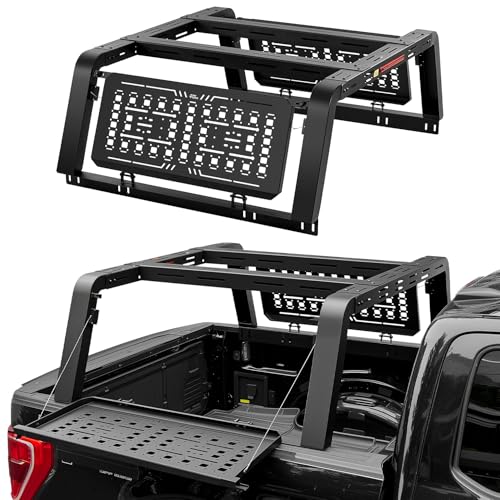
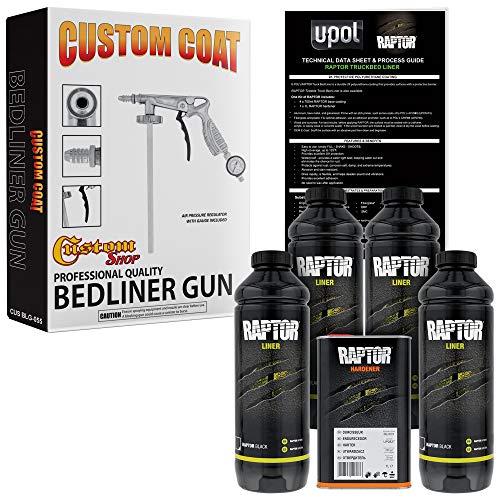
Table of Contents
- Our Top Picks
- Quick Verdict
- About Bed Liners
- About Overland Truck
- Head-to-Head: Weather Sealing and Corrosion Control
- Head-to-Head: Load Capacity and Cargo Management
- Head-to-Head: Installation, Fitment, and Removability
- Head-to-Head: Cost and Long-Term Value
- Who Should Choose Bed Liners?
- Who Should Choose Overland Truck?
- Our Verdict
- Frequently Asked Questions
- Sources & References
Our Top Picks
Affiliate disclosure: if you buy through these links, we may earn a commission at no extra cost to you.
Quick Verdict
Choose Bed Liners if...
- Your truck bed is unprotected and regularly sees pallets, blocks, tools, firewood, gravel, wet gear, or other abrasive cargo.
- You want corrosion and impact protection before adding camping or overland equipment.
- You value DIY installation or removability, or you need a more permanent bonded surface for construction, agriculture, fleet, or heavy hauling.
Choose Overland Truck if...
- Your bed already has adequate protection and your immediate need is a rack platform for overland equipment.
- You need to organize or mount gear above the bed rather than add protection to the bed floor.
- You are prepared to verify truck fitment, rack width, mounting points, static and dynamic load ratings, and hardware before buying.
| Factor | Bed Liners | Overland Truck |
|---|---|---|
| Primary Function | Protects the bed floor and sidewalls from impact, abrasion, dirt, and moisture-related damage. | Adds a rack or mounting structure for carrying and organizing overland equipment above the bed. |
| Cost Position | Drop-in products are generally the DIY-friendly option. The supplied comparison reports that spray-on liners can cost approximately two to three times more than other liner types. | There is no meaningful single price range because rack cost depends on the model, width, truck fitment, hardware, and rated capacity. Current prices were not supplied. |
| Weather and Corrosion Control | Properly prepared spray-on or hybrid coverage can provide more continuous protection. Drop-in designs can shift or leave gaps where moisture may collect. | A rack is not a sealed bed protector. It does not replace a liner or mat and does not prevent water, grit, or cargo from contacting the bed. |
| Load Behavior | Protects the existing bed but does not add a separate elevated cargo platform or increase the truck’s rated payload. | Can provide an elevated structure for gear, but exact static and dynamic load ratings are model-specific and must be verified before use. |
| Installation and Removability | Drop-in liners are DIY-friendly and removable. Spray-on systems usually depend on professional preparation and application. Hybrid products require proper preparation and full curing. | Installation is truck- and rack-specific. Confirm bed length, rail geometry, advertised width, mounting points, clearances, and supplied hardware. |
| Main Purchase Risk | Incorrect fitment, poor surface preparation, incomplete curing, liner movement, or trapped moisture under a removable product. | Assuming a “full-size” rack is universal, or using it without confirming the manufacturer’s load rating and mounting requirements. |
About Bed Liners
Bed liners are the protection layer between your truck and everything you throw into it. The category includes professionally applied spray-on coatings, removable drop-in shells, rubber mats, and hybrid systems. The supplied Bed Protection Comparison reports that spray-on products such as Line-X and Rhino Linings are known for strong impact resistance and long-term adhesion, but they typically cost roughly two to three times more than other liner types and generally require professional installation.
That premium makes sense for a work truck that sees repeated abuse. A spray-on liner is the stronger direction when the truck hauls cinder blocks, pallets, tools, agricultural equipment, or construction debris. It is also the option to consider when you want the bed protected without relying on a loose shell that can shift. The tradeoff is cost, downtime, and the fact that the final result depends heavily on surface preparation and application quality.
Drop-in products such as Husky Liners and BedRug are easier to install and remove, which makes them attractive to owners who do their own work, change truck configurations, or use the bed for occasional camping and hauling. The same comparison warns that drop-in liners can shift under load and leave gaps where moisture may collect. Hybrid systems, including ArmorThane ProSeries and T-Rex, are described as balancing coverage, flexibility, and corrosion control when the bed is properly prepared and the material is fully cured.
Fitment is not a detail to check after ordering. The supplied ThirstyBear fitment information describes one Husky Liners Custom Bed Liner for 2015–2026 Ford F-150 models, including 2022–2026 F-150 Lightning models, with a 5-foot-7-inch bed. That listing also warns that it will not fit a truck with an existing drop-in liner. The Amazon title supplied for this comparison appears truncated and references a Chevrolet application, so do not assume that the Ford fitment information applies to that exact listing.
The same caution applies to mats. The reviewed Rough Country heavy-duty rubber mat is described as tear-resistant, non-slip, and compatible with 2019–2026 Chevrolet Silverado and GMC Sierra 1500 models with 5-foot-10-inch beds. That information should not automatically be transferred to the GEEDAR mat in the product shortlist. A rubber mat can be useful protection, but it should not be represented as the same product or the same type of coverage as a bonded spray-on liner.
The real-world testing described by ThirstyBear is a useful reminder of what matters: its team reportedly tested eight liners for 90 days by hauling cinder blocks, dragging pallets, and leaving rain in the beds for weeks. That kind of use is more informative than a glossy product photo, but it still does not eliminate the need to confirm fitment for your exact truck.
About Overland Truck
“Overland Truck” is a broad shopping label, but the supplied Amazon products are bed racks: the JOYTUTUS Full Size Truck Bed Rack, the TRUMGETA Overland Truck Bed Rack for Full-Size Pickups, and the VEVOR Overland Truck Bed Rack listed with a 54.3–68.3-inch width range. These products address a different problem from a liner. They are intended to create a structure for mounting or carrying equipment above the bed, not to protect the bed from abrasion or water.
A bed rack is worth buying when you have a specific load plan. That might mean organizing overland equipment, freeing floor space, or creating a higher mounting location for gear. The rack needs to match the truck’s bed length, bed-rail layout, mounting points, and available clearance. A width range such as the VEVOR listing’s 54.3–68.3 inches is not proof of universal fitment; it still has to match the actual rails and installation points on your truck.
Do not buy a rack based only on the words “full size” or “overland.” The supplied research does not provide verified load ratings, material specifications, corrosion testing, warranty details, or truck-by-truck compatibility for the JOYTUTUS, TRUMGETA, or VEVOR products. Before using any rack, confirm the manufacturer’s static and dynamic ratings, mounting instructions, fastener requirements, and clearance limits. If those figures are missing or unclear, that is a reason to keep researching, not a reason to guess.
A rack also does not seal the bed. Rain, dust, mud, and loose cargo can still reach the floor and sidewalls. For a truck that will spend time on rough roads, the sensible order is usually bed protection first and rack second. The liner protects the surface that the rack cannot protect; the rack provides the structure the liner cannot provide.
Head-to-Head: Weather Sealing and Corrosion Control
Bed liners win this category because weather and corrosion control are their primary jobs. A properly prepared spray-on liner is intended to provide bonded coverage, while hybrid systems are specifically described as helping with corrosion control when preparation is correct and the material is fully cured. Drop-in protection is still useful, but the reported risk of movement and gaps means moisture management deserves attention.
An overland rack should be treated as exposed hardware, not as a weather barrier. It may organize equipment, but it does not close the seams around the bed or protect the steel underneath from wet cargo and trapped grit. If weather exposure is your main concern, buy the liner or mat first. If the truck already has sound bed protection, then select the rack based on fitment and rated load rather than expecting it to provide sealing.
Head-to-Head: Load Capacity and Cargo Management
The rack has the advantage when the problem is cargo organization or an elevated mounting structure. A liner does not create more usable structure; it protects the bed you already have. It can make hauling less punishing on the truck bed, but it does not change the truck’s rated payload or authorize heavier loads.
With a rack, the critical number is the manufacturer’s static and dynamic load rating for the actual installation. Those numbers are not provided in the supplied information for the JOYTUTUS, TRUMGETA, or VEVOR listings. Do not infer capacity from the rack’s appearance, its advertised width, or the fact that it is marketed for overlanding. Match the rack rating to the real load, the mounting method, and the way the truck will be driven.
Head-to-Head: Installation, Fitment, and Removability
Drop-in liners are the easier path for a truck owner who wants a DIY project and the ability to remove the protection later. Spray-on systems demand more commitment and normally depend on professional installation. Hybrid products sit between those approaches, but their reported corrosion-control benefits depend on proper preparation and complete curing.
Racks are also installation-sensitive, although the failure points are different. Check the exact bed length, bed rails, mounting hardware, width range, cab clearance, and any interference with covers or other accessories. This is especially important on popular full-size trucks such as the Ford F-150, Chevrolet Silverado 1500, and GMC Sierra 1500, where different bed lengths and trim configurations can change compatibility. A “full-size” label is not a substitute for a truck-specific fitment chart.
Head-to-Head: Cost and Long-Term Value
Spray-on liners are the expensive side of the bed-protection decision. The supplied comparison places them at approximately two to three times the cost of other liner types, with professional installation adding to the total. U-POL Raptor is described in the supplied research as a 2K urethane, UV-resistant liner with stated coverage of 125 square feet. Custom Coat is described as a two-part urethane spray-on liner covering 130 square feet. Those coverage figures are product claims, not guarantees that one kit will cover every truck bed equally.
There is no honest universal price range for the rack side without current model-specific listings. The total cost depends on the rack, fitment, hardware, and any additional protection or accessories needed. The supplied Alibaba comparison cites Kelley Blue Book data indicating that trucks with documented, professionally installed bed protection retained an average of 12.3% higher residual value after five years than unprotected trucks. That is an average reported relationship, not a guaranteed return on any particular liner, truck, or installation.
The broader lesson is to compare verified performance rather than buy by reputation alone. The same comparison reports that approximately 68% of U.S. truck buyers chose a liner based on dealer recommendation or brand familiarity rather than verified performance metrics. For a rack, the equivalent mistake is trusting the word “overland” without checking the actual load rating and mounting instructions.
Who Should Choose Bed Liners?
Choose a bed liner if your truck bed is unprotected, sees hard use, or carries wet and abrasive cargo. For construction, agriculture, fleet work, and repeated heavy hauling, a professionally applied spray-on liner is the most defensible direction if the budget supports it and the installer has a strong record. For DIY owners, occasional campers, and people who want to remove the protection later, a properly fitted drop-in liner or heavy-duty mat is more practical, provided you inspect for movement and moisture underneath.
If you are choosing only one product for a new truck, a liner is the better first purchase. It protects the bed whether or not you eventually add a rack. Confirm the exact model year, bed length, cab configuration, and existing-liner restrictions before ordering. The Husky fitment warning about existing drop-in liners is exactly the type of compatibility issue that can turn an otherwise good product into the wrong purchase.
Who Should Choose Overland Truck?
Choose an overland bed rack when your bed protection is already handled and you have a defined need for an elevated cargo or mounting structure. The rack should solve a specific problem: limited bed organization, the need to carry gear above the bed, or a planned overland configuration that cannot be managed on the bed floor alone.
Before buying one of the JOYTUTUS, TRUMGETA, or VEVOR listings, verify the rack’s truck compatibility and load ratings from the current product documentation. Check the rack width against the actual bed rails, not just the nominal truck class. If the product page does not clearly state the relevant dimensions, ratings, mounting requirements, and warranty terms, keep looking.
Our Verdict
Buy the bed liner first. For most truck owners deciding between these two categories, bed protection is the more useful and less conditional investment. It protects the truck every day, whether you are hauling pallets, camping gear, firewood, tools, or groceries. An overland rack only pays off when your load plan specifically requires a rack, and it cannot protect the bed from the weather and abuse that reach underneath it.
Choose a spray-on liner for high-impact work and permanent protection, a drop-in liner or rubber mat for DIY installation and removability, or a hybrid system if you can follow the preparation and curing requirements. Choose the overland rack instead only when the bed is already protected and you have confirmed exact fitment and rated capacity. The best two-stage setup for a serious truck-camping or overland build is usually protection underneath and a properly rated rack on top.
Frequently Asked Questions
Are bed liners and overland truck racks direct alternatives?
No. A bed liner protects the truck bed. An overland bed rack adds a structure for carrying or mounting equipment above the bed. If the bed is unprotected, a rack does not remove the need for a liner or mat.
Which option provides better weather protection?
A properly prepared and applied liner provides the relevant bed protection. Spray-on and hybrid systems offer the most continuous coverage in the supplied research, while drop-in products can leave gaps where moisture may collect. A rack is not a sealed bed protector and should not be purchased for that purpose.
Will the Husky Custom Bed Liner fit a 2019–2026 Chevrolet truck?
Do not assume that from the truncated Amazon title alone. The supplied ThirstyBear fitment information describes a Husky liner for 2015–2026 Ford F-150 models, including 2022–2026 F-150 Lightning models, with a 5-foot-7-inch bed, and warns that it will not fit over an existing drop-in liner. If the listing you are viewing is for a Chevrolet application, confirm the exact model, year, bed length, and liner compatibility on that listing before ordering.
Is U-POL Raptor a good choice for a truck bed?
The supplied comparison describes U-POL Raptor as a 2K urethane, UV-resistant liner with stated coverage of 125 square feet. Whether it is the right choice depends on preparation, application quality, required coverage, and whether you want a permanent spray-on finish. Treat the stated coverage as a product specification, not a guarantee for every truck bed.
What should I verify before buying an overland bed rack?
Verify the exact truck and bed fitment, rack width, mounting points, hardware, cab and accessory clearances, static load rating, dynamic load rating, warranty terms, and corrosion protection. The supplied information does not establish those specifications for the JOYTUTUS, TRUMGETA, or VEVOR racks, so check the current manufacturer or seller documentation rather than relying on the “full-size” or “overland” label.


