

Bed Liners vs Cargo Nets: Which Should You Buy in 2026
Bed Liners vs Cargo Nets: Which Should You Buy in 2026
By Hank Torres
Bed liners and cargo nets solve two different truck-bed problems. A liner protects the floor and sidewalls from abrasion, dirt, moisture, and hard use. A cargo net keeps loose or bulky gear from shifting, spreading across the bed, or leaving the truck. Buying the wrong one means your bed can still get beat up, or your load can still become a hazard.
This comparison is for truck owners who use their beds for work, camping, hauling, or overlanding, including Ford F-150, Chevrolet Silverado, and Toyota Tacoma owners. The short version is simple: if your bed is unprotected, buy the liner first. If the bed already has protection and your main problem is loose cargo, a properly fitted cargo net is the more useful upgrade.
Affiliate disclosure: if you buy through these links, we may earn a commission at no extra cost to you.


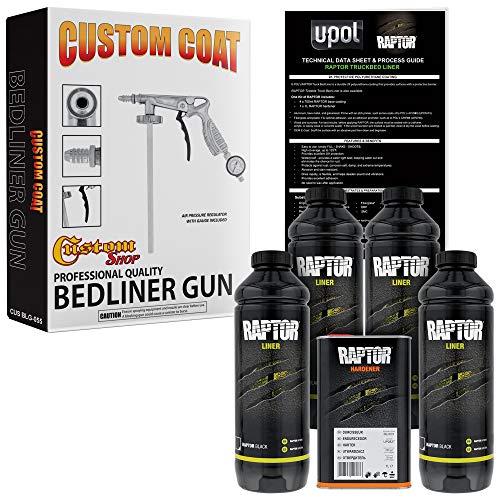
Table of Contents
- Our Top Picks
- Quick Verdict
- About Bed Liners
- About Cargo Nets
- Head-to-Head: Bed Protection and Weather Exposure
- Head-to-Head: Fitment and Installation
- Head-to-Head: Load Control and Rated Capacity
- Head-to-Head: Build Quality and Real-World Reliability
- Who Should Choose Bed Liners?
- Who Should Choose Cargo Nets?
- Our Verdict
- Frequently Asked Questions
- Sources & References
Our Top Picks
Affiliate disclosure: if you buy through these links, we may earn a commission at no extra cost to you.
Quick Verdict
Choose Bed Liners if...
- You want permanent protection for the bed floor and possibly the sidewalls.
- You regularly carry tools, camping gear, wet equipment, or abrasive loads.
- You need a low-maintenance foundation and do not want to install a restraint system for every trip.
Choose Cargo Nets if...
- Your bed is already protected and you need to contain loose, bulky, or irregularly shaped cargo.
- You want a removable system that can be deployed quickly when hauling gear.
- You can verify the net's coverage, mesh opening, clips, hooks, anchor compatibility, and rated use.
| Factor | Bed Liners | Cargo Nets |
|---|---|---|
| Price Range | Current pricing varies by truck-specific fit, material, and installation method. Compare the exact listing rather than assuming all liners cost the same. | Current pricing varies by coverage, material, webbing or bungee construction, and hook or clip hardware. |
| Fitment & Setup | Exact model year, bed length, wheel-well shape, and coverage must match. A mat or drop-in approach is different from a spray-on installation. | Measure the bed and match the net to the cargo area. Hook, clip, and anchor-point compatibility determine whether setup is actually easy. |
| Weather & Surface Protection | Protects the truck bed from wet, dirty, and abrasive cargo, but it is not a sealed cargo cover. | Contains cargo in an open bed, but does not protect the bed surface or keep rain out. |
| Load Control & Capacity | Does not restrain cargo and does not increase the truck's payload rating. | Some products publish a working load limit, such as the Gladiator MGN-100's listed 1,500-pound limit. That rating is product-specific and does not automatically replace rated tie-down equipment. |
| Best For | Daily hauling, work trucks, overlanding, camping gear, and long-term bed protection. | Loose, bulky, or irregular loads that need top-of-bed containment. |
| Main Drawback | A liner cannot stop cargo from sliding, shifting, or falling out of the truck. | A net with the wrong coverage, mesh, hooks, or anchor fit can be ineffective, and it offers no bed-surface protection. |
About Bed Liners
A bed liner is passive protection that stays with the truck. It gives the floor and, depending on the product, the sidewalls a barrier against contact with tools, camping bins, dirty equipment, and other cargo. That makes a liner the better choice when your concern is damage to the truck rather than containment of the load.
Fitment matters more than the brand name. The bed-liner products in this comparison set include the Husky Liners Custom Bed Liner, a Custom Shop U-Pol Raptor Black Urethane Spray-On product, and the GEEDAR Heavy Duty Rubber Bed Mat. Those are different approaches, not interchangeable products. The Husky and GEEDAR listings show 2019–2026 Chevrolet applications in their titles, but you still need to confirm the exact truck, bed length, cab configuration, and wheel-well profile before ordering. A Silverado short bed and long bed, for example, should not be treated as the same fitment.
The U-Pol Raptor product is a spray-on urethane application, so it is an installation project that requires appropriate surface preparation and careful adherence to the product instructions. A rubber bed mat is a floor-focused solution and should be evaluated for how much of the bed it actually covers. For an overlander or work-truck owner who uses the same bed every day, a correctly fitted liner is convenient because it does not require trip-by-trip setup. It still will not keep a load from moving, and it will not turn an open bed into a weatherproof cargo compartment.
About Cargo Nets
A cargo net works across the top of the load. It is useful for duffels, coolers, camping bins, tarps, and other gear that is too loose, bulky, or irregular for a simple cargo bar. It can keep gear from spreading across the bed or exiting the truck, but it does not cushion the bed floor, stop abrasion, or seal the load against rain.
Start with the actual cargo area, not the product photo or the largest stretched dimension in the headline. The ProShopperDirect guide recommends matching the net to the size and coverage of the cargo area first, then checking the hook style and anchor-point fit. That sequence matters. A TIRETEK 4-foot by 6-foot net is listed with a 5 mm latex or bungee core, 12 carabiners, and a maximum stretched size of 8 feet by 12 feet. The Migaven heavy-duty net is listed with 5 mm latex, 24 clips, and a maximum stretched size of 10 feet by 15 feet. Those numbers describe different coverage and hardware choices, not a universal ranking.
Other listings show why the details deserve close inspection. The SENYAZON elastic net is listed as expanding from 4 feet by 4 feet to 7 feet by 7 feet, with eight carabiners and a weight of 1.4 pounds. The Gladiator MGN-100 medium net is listed at 6.75 feet by 8 feet, with 54 square feet of coverage and a 1,500-pound working load limit. The Gladiator GRN-100 is described as using 1.5-inch webbing and having DOT approval. The TacoNets envelope net is described as having a vehicle-specific Silverado fit and a lifetime warranty. Verify the current product documentation and warranty terms before relying on any of those claims.
Head-to-Head: Bed Protection and Weather Exposure
Bed liners win this category clearly. They create a protective layer between the truck and the cargo, which is what you want when hauling wet recovery gear, dirty tools, firewood, or equipment with rough edges. A cargo net does none of that. It holds cargo from above while leaving the bed floor and most of the sidewalls exposed.
Neither product is a substitute for a sealed truck-bed cover. A liner can help protect the bed from wet cargo, but it does not keep rain from reaching the cargo. A net can keep gear contained, but it offers no meaningful weather seal. If your camping equipment must stay dry, use appropriate waterproof containers and a suitable bed cover in addition to whichever product you choose.
Head-to-Head: Fitment and Installation
Bed-liner fitment is primarily a truck-specific problem. Check model year, exact bed length, wheel-well shape, tailgate coverage, and whether the product protects only the floor or also the sidewalls. The product title may show a broad Chevrolet year range, but that is not enough information to confirm a particular Silverado configuration.
Cargo-net fitment is more dependent on dimensions and attachment hardware. Measure the area the net needs to cover with the cargo loaded, then inspect the mesh opening and the location of the truck's usable anchor points. A net advertised to stretch from 4 feet by 6 feet to 8 feet by 12 feet may cover a large area, but that does not tell you whether the hooks reach your anchors or whether small items can slip through the mesh. The most convenient net is the one that fits without awkward stretching or improvised attachment.
Head-to-Head: Load Control and Rated Capacity
A liner has no load-control function. It may keep the bed surface from being damaged, but it does not restrain a toolbox, cooler, fuel can, or storage bin. It also does not increase the truck's payload rating. Cargo still needs to be placed and secured according to the truck and cargo requirements.
A cargo net can add useful top-of-load containment, but do not confuse a published net rating with permission to secure any load in any manner. The Gladiator MGN-100 is listed with a 1,500-pound working load limit, but that number belongs to that product under its stated conditions. It is not a rating that can be transferred to the TIRETEK, SENYAZON, Migaven, or another net. Unless the product clearly supports that use, treat a cargo net as a containment layer rather than a replacement for rated tie-down equipment.
Head-to-Head: Build Quality and Real-World Reliability
For liners, build quality comes down to coverage, fit, material, and installation quality. A spray-on urethane product, a custom liner, and a rubber bed mat each make different trade-offs. A well-fitted product that covers the areas you actually abuse is more valuable than a liner with a strong marketing description but incomplete coverage. The liner also has fewer trip-by-trip parts to manage, which is a practical advantage for a daily driver.
Cargo-net construction varies more than many buyers expect. Latex or bungee-core nets, webbing nets, carabiners, and clip-based systems are not identical tools. The TIRETEK listing includes 12 carabiners, the SENYAZON listing includes eight, and the Migaven listing includes 24 clips, but a higher hardware count does not automatically prove a stronger or better-fitting net. Hook shape, anchor compatibility, mesh opening, webbing or elastic quality, and the product's stated rating matter more than clip count alone.
Real-world testing also reinforces the need to judge nets by use case. Panoz Auto says it tested 10 cargo nets for 45 days across a Ford F-150, Chevrolet Silverado, and Toyota Tacoma. Car-TintLaws says its team tested 15 cargo nets across three trucks over six months. Those tests can help identify practical differences, but they do not prove that any net will fit every bed. Car-TintLaws also cites AAA data claiming that unsecured cargo causes more than 200,000 accidents annually. Regardless of the exact figure, loose cargo is a safety problem worth addressing with the right restraint system.
Who Should Choose Bed Liners?
Choose a bed liner if you own the truck for the long haul and want protection every time you use the bed. It is the right first purchase for a daily-driven F-150, Silverado, Tacoma, or similar pickup that carries tools, recovery equipment, coolers, dirty clothing, or camping gear. It is also the better option when your current bed is bare and vulnerable to abrasion or moisture.
Prioritize exact fitment and coverage over a generic “heavy duty” label. Decide whether you want a floor-focused rubber mat, a custom liner, or the more involved spray-on urethane route. Then remember that the liner protects the truck; it does not secure the cargo. If your load shifts, you still need an appropriate restraint.
Who Should Choose Cargo Nets?
Choose a cargo net if the bed already has adequate surface protection and your recurring problem is loose cargo. A net is especially useful for bulky camping equipment, irregular loads, tarps, bags, and gear that is difficult to strap individually. It is a practical add-on for an overland truck that needs fast containment without permanently dedicating the bed to a fixed organizer.
Before buying, measure the actual bed area, consider the size and shape of the cargo, and inspect the mesh opening. Confirm that the included hooks, clips, or carabiners match the truck's anchor points. For a Silverado, a vehicle-specific envelope net such as the TacoNets listing may be worth considering if the exact bed configuration matches. For heavier or higher-risk loads, use rated tie-down equipment unless the net's documentation clearly supports the intended application.
Our Verdict
Buy the bed liner first in 2026 unless your truck bed is already protected. It is the foundation purchase, and it continues working whether the bed is carrying tools on Monday or camping gear on Saturday. A cargo net is valuable, but it solves a narrower problem: keeping loose cargo contained.
If your bed is protected and you regularly haul bulky or irregular gear, buy the cargo net instead. Choose it by actual coverage, mesh opening, hook and anchor compatibility, and stated working limit. Do not buy one based only on a stretched-size headline, and do not treat it as a weather cover or automatic substitute for rated tie-downs.
Frequently Asked Questions
Can a cargo net replace a bed liner?
No. A cargo net only contains cargo from above. It does not protect the bed floor or sidewalls from abrasion, dirt, or wet equipment. If the bed is unprotected, install the liner first and add a net if you also need load containment.
Do bed liners keep cargo from sliding?
No. A liner protects the truck, but it is not a tie-down or restraint system. Cargo can still shift, spread across the bed, or leave the truck unless it is secured with appropriate equipment.
Does a bed liner make a truck bed waterproof?
No. A liner can protect the bed surface from wet cargo, but it does not seal the cargo area or stop rain from reaching equipment. Use waterproof containers and a suitable bed cover when keeping gear dry matters.
Is the Gladiator MGN-100 safe for a 1,500-pound load?
The MGN-100 is listed with a 1,500-pound working load limit, but that is a product-specific rating, not a blanket approval for every 1,500-pound load. Follow the manufacturer's conditions, the truck's payload limits, and applicable cargo-securing requirements. Do not transfer the rating to another net.
How do I choose the right cargo-net size?
Measure the cargo area the net must cover, account for the shape and height of the load, and check the mesh opening so small items cannot slip through. Then verify the hook or clip style and the truck's anchor-point locations. The net's maximum stretched dimensions are a starting point, not proof of a correct fit.


